
Understanding the basics of gambling A beginner's guide to getting started
Understanding the basics of gambling A beginner's guide to getting started
What is Gambling?
Gambling is the act of risking money or valuables on an event with an uncertain outcome, primarily with the intent of winning additional money or goods. It encompasses a variety of activities, including playing games of chance, betting on sports, and participating in lotteries. At its core, gambling involves three main components: the wager, the risk, and the outcome. Understanding these elements can help beginners navigate the gambling landscape more effectively. An exciting option for those interested is the Katanaspin casino, which provides a diverse array of games.
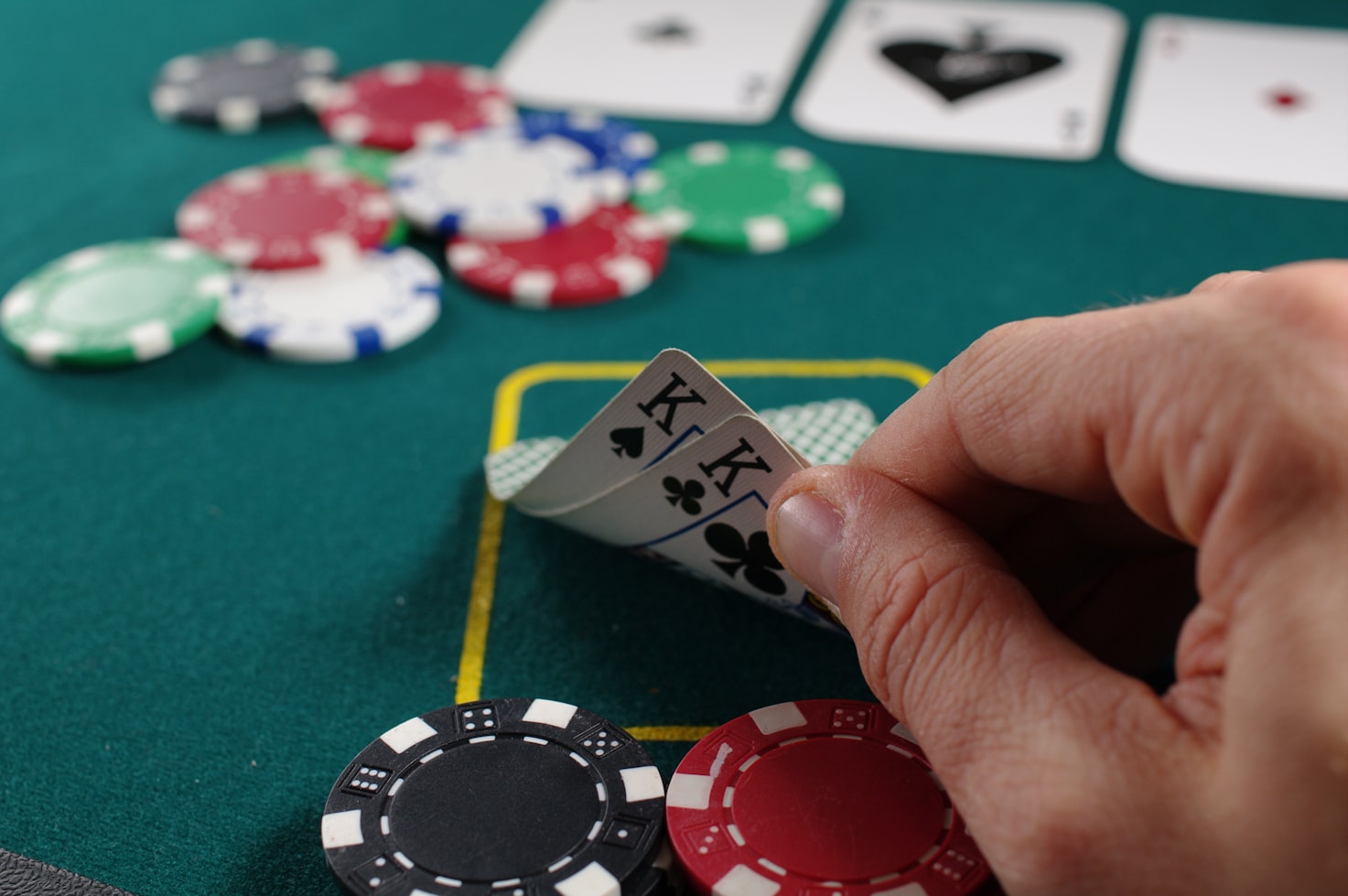
Different forms of gambling exist, ranging from traditional land-based casinos to modern online platforms. Each type offers unique experiences and challenges. For instance, table games like blackjack and poker require a blend of skill and chance, while slot machines are purely based on luck. As a beginner, it’s crucial to grasp these distinctions to identify which forms of gambling align with your preferences and comfort levels.
Moreover, gambling can serve various purposes. Some individuals enjoy it for entertainment, while others may pursue it as a potential source of income. However, it is essential to approach gambling with caution, as it can lead to financial risks and addictive behaviors. Understanding the nature of gambling and its potential consequences is vital for anyone looking to explore this captivating activity responsibly.
The Different Types of Gambling
Gambling comes in many forms, each offering unique experiences and challenges. The most popular types include casino games, sports betting, lotteries, and poker. Casino games encompass traditional games like roulette and blackjack, where players compete against the house. Sports betting involves wagering on the outcomes of sporting events, making it a favorite among sports enthusiasts. Lotteries provide a chance to win substantial prizes through random number selection, while poker combines elements of skill and luck, allowing players to compete against each other.
Online gambling has gained significant traction in recent years, offering players the convenience of enjoying their favorite games from the comfort of their homes. Virtual casinos and sportsbooks provide access to thousands of games, including live dealer options. This shift to digital platforms has also introduced innovative features, such as mobile gambling and virtual reality gaming, making the experience even more immersive for players.
Each type of gambling has its own set of rules and strategies, making it essential for beginners to familiarize themselves with the specifics. Understanding the odds, payouts, and house edge associated with each form can significantly influence a player’s chances of winning. By exploring various gambling types, beginners can determine which ones resonate with their interests and gambling style.
Understanding Odds and Payouts
Understanding odds and payouts is crucial for any beginner looking to navigate the gambling world effectively. Odds represent the likelihood of a particular outcome occurring in a game or event. In gambling, they are typically expressed in fractional or decimal formats, indicating the ratio of winning to losing bets. Beginners should familiarize themselves with how these odds work to make informed decisions about their wagers.
Payouts, on the other hand, refer to the money returned to players based on their bets and the corresponding odds. Different games have varying payout percentages, which reflect how much of the total wagered money is returned to players over time. For instance, slot machines may offer payout percentages ranging from 85% to 98%, while table games like blackjack often have higher returns for skilled players. Beginners should consider these factors when choosing where and how much to gamble.
Moreover, understanding the house edge is vital for new gamblers. The house edge represents the casino’s built-in advantage over players, ensuring long-term profitability for the establishment. By choosing games with lower house edges, players can enhance their chances of winning. Beginners should take time to research and practice games to become familiar with odds, payouts, and the house edge, ultimately improving their overall gambling experience.
Responsible Gambling Practices
Engaging in gambling should always be approached with a sense of responsibility. For beginners, setting limits on time and money spent is essential to ensure a safe and enjoyable experience. Establishing a budget before gambling helps players control their spending and avoid the temptation to chase losses. It is crucial to view gambling as a form of entertainment rather than a way to make money, thereby reducing the risk of developing harmful habits.
Another key aspect of responsible gambling is recognizing the signs of problem gambling. These may include feelings of guilt after gambling, increasing amounts of time spent on gambling activities, or neglecting personal and financial obligations. Beginners should remain vigilant about their gambling behaviors and seek help if they notice any concerning patterns. Many organizations offer resources and support for individuals struggling with gambling addiction.
Additionally, utilizing self-exclusion tools and setting account limits on online platforms can provide an extra layer of protection. By taking proactive measures, beginners can enjoy the excitement of gambling while minimizing the risks associated with it. Ultimately, responsible gambling enhances the overall experience and ensures a safe environment for all participants.

Exploring Online Casinos and Their Offerings
In today’s digital age, online casinos have revolutionized the gambling experience, making it more accessible than ever. With the rise of platforms offering thousands of games, players can enjoy everything from traditional table games to innovative slot machines at their convenience. Many online casinos provide enticing welcome bonuses, such as deposit matches and free spins, which can enhance a player’s initial experience and offer additional chances to win.
When choosing an online casino, beginners should consider factors such as licensing, security, and game variety. Reputable platforms are typically licensed by regulatory bodies, ensuring fair play and protection for players. Additionally, exploring the different payment methods available, including credit cards, e-wallets, and cryptocurrencies, allows users to find options that best suit their preferences. A user-friendly interface and responsive customer support are also essential for a smooth gaming experience.
KatanaSpin, for example, has become a prominent online casino since its launch, offering over 4,500 games, including slots and table games. With 24/7 customer support and a user-centric design, platforms like KatanaSpin prioritize player satisfaction. Engaging in online gambling not only provides excitement but also allows players to explore a world of promotions and incentives, making it a compelling option for beginners eager to dive into the gambling scene.
Cevapla
Want to join the discussion?Feel free to contribute!